As the vibrant energy of summer hits its peak, the cosmos prepares for a quiet, deeply transformative shift. In the Vedic calendar, this transition is marked by Karka Sankranti—the day the Sun transitions from the airy sign of Gemini into the watery, intuitive sign of Cancer (Karka Rashi).
Falling on July 16, 2026, Karka Sankranti is much more than a date on a calendar. It marks the official beginning of Dakshinayana, the six-month period where the Sun begins its apparent journey southward. If the first half of the year (Uttarayana) was all about outward growth, action, and building, this new phase invites us to turn inward, look at our emotional foundations, and focus on spiritual alignment.
At coto, a platform built for everyone to connect, share, and grow, we look at these cosmic shifts as beautiful universal reminders to check in with ourselves and each other. Here is what Karka Sankranti means for our collective wellness journey, and how you can honor this shift in your daily life.
The Spiritual Blueprint of Dakshinayana
In Vedic philosophy, time is cyclical and deeply tied to our inner psychology. The six months of Dakshinayana are traditionally considered the "nighttime of the Devas" (divine energies). When the outer light softens, our inner light must step up. According to ancient texts, while Uttarayana favors material pursuits and new beginnings, Dakshinayana is the ideal window for introspection, mental purification, and self-restraint.
This period also coincides with the onset of the monsoon season in India, bringing a natural cooling effect to the earth. For centuries, farmers have used this time to nurture the soil, and spiritual seekers use it to nurture the soul through Chaturmas—a sacred four-month period of fasting, meditation, and conscious living that begins right around this time.
Rituals for Mind, Body, and Spirit
You don’t need elaborate setups to align with the energy of Karka Sankranti. The core rituals are designed to cleanse your energy and foster gratitude.
1. The Energy Cleansing (Holy Bath)
Water is the dominant element of the Cancer zodiac, making purification a central theme. Traditional practices suggest taking a morning bath mixed with a few drops of holy water (like Ganga jal). As you do, set a conscious intention to let go of accumulated mental fatigue, heavy emotions, or rigid ego patterns from the first half of the year.
2. Honoring the Sun & Lord Vishnu
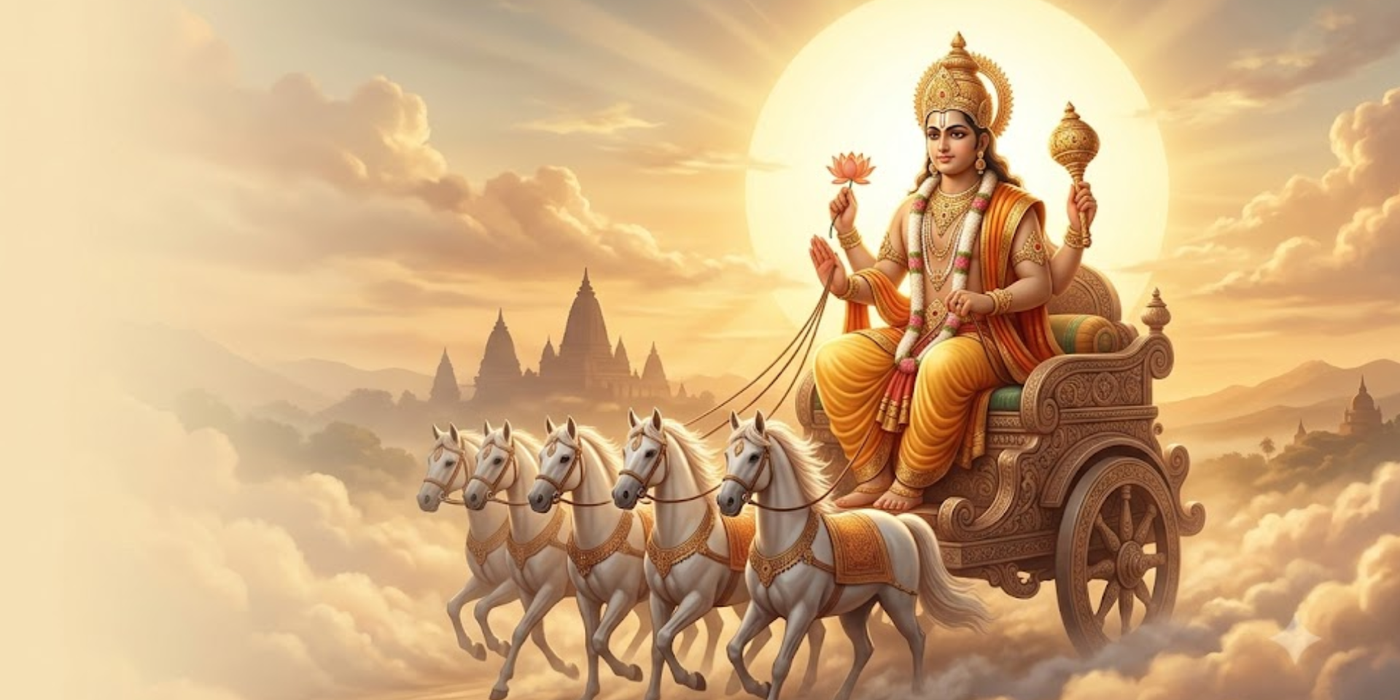
The Sun represents our vital life force (Prana). Offering Arghya (pouring water from a copper vessel toward the morning sun) is a beautiful way to pray for health, vitality, and clear vision. On Karka Sankranti, it is also customary to worship Lord Vishnu—often by reciting the Vishnu Sahasranama (Thousand Names of Vishnu)—to bring stability, calm, and emotional resilience to the mind.
3. Cultivating Ancestral Gratitude (Pitru Tarpan)
Because Dakshinayana represents the inward, receptive half of the year, it is traditionally believed to be a time when the veil between dimensions softens. It marks the beginning of the period dedicated to Pitru Tarpan (honoring ancestors). Taking a moment to express silent gratitude to those who came before you helps heal generational roots and grounds your present self.
A Modern Take: How to Practice "Inner Cleansing" on coto
Since Karka Sankranti is an astronomical and energetic turning point, it’s generally advised to hold off on launching major, aggressive outer ventures. Instead, use this day to anchor your energy. Here is how we can collectively practice the essence of this festival on the coto platform:
- Practice Compassionate Charity (Dana): Giving back is a core remedy for life’s obstacles during this transit. Consider donating clothes, food, or simply your time to someone in need. Share your experiences or local donation drives in your coto communities to inspire others.
- Adopt a Sattvic Routine: The monsoon season lowers our digestive fire. Transitioning to a lighter, plant-based, and mindful diet helps maintain physical balance. Start a healthy recipe exchange thread with your peers on the platform.
- Mindful Speech: The energy of Cancer is deeply emotional. Use the start of Dakshinayana to practice conscious communication—choosing words that heal rather than harm, both online and offline.
Written by
Guru Aarvansh
Guru Aarvansh is a verified Vedic astrologer, spiritual guide, and content creator who shares insights on astrology, life lessons, and spiritual remedies.