Ever wondered what actually happens inside a tarot therapy session? Not the mystical version people imagine, but the real, step-by-step experience from the moment you open the app to the moment something shifts inside you?
We're taking you behind the scenes of a coto tarot therapy session. From how you connect with your practitioner, to what happens in those first vulnerable minutes, to the different card decks used for different breakthroughs, to why some transformations happen faster than others. This is what actually goes on, and what we've learned about how tarot therapy really works.
It Starts With joy: Your First Step Into Tarot Therapy
You open coto. Maybe it's 2 AM and you can't sleep because everything feels wrong. Maybe it's a Sunday afternoon and you finally have space to address what's been weighing on you. Maybe it's a random Tuesday and something just clicked that you need help.
You're greeted by joy, our AI guide. Not with corporate speak or overwhelming options, but warmly: "Hi, I'm joy. I'm here to help you find the right practitioner for where you are right now. Let's start with a few quick questions."
joy asks you three things:
What language feels most comfortable for you? Because transformation work needs to happen in the language where you can be fully honest. Where the words for your feelings actually exist.
Which type of guidance are you drawn to? joy explains tarot therapy along with other modalities. Tarot therapy for understanding patterns and subconscious blocks. Vedic astrology for life cycles and timing. Energy healing for clearing what's stuck. Relationship coaching for navigating dynamics. Or "I'm not sure" if you need help figuring it out.
What brings you here today? Career struggles, relationship confusion, identity questions, emotional healing, spiritual growth, cultural challenges, major life transitions. You pick what resonates, and joy starts understanding what you actually need.
Three questions. That's it. Behind the scenes, joy's algorithm is processing your answers against data from millions of successful matches, considering specializations, cultural competency, availability, and success patterns to find your perfect match for tarot therapy.
Within moments, joy shows you 3-5 specific practitioner recommendations with clear reasoning: "I'm recommending Priya because she specializes in tarot therapy for relationship patterns and has helped over 300 clients navigate family expectations while honoring their authentic desires. Her approach combines traditional tarot reading with psychological exploration."
You choose one. You book a tarot therapy session. Now the real journey begins.
What Is coto? Your Platform for Anonymous Tarot Therapy
Before we dive deeper into what happens inside the session, let's talk about what makes coto different as a platform for tarot therapy and spiritual transformation.
coto is a 24/7 anonymous spiritual guidance platform connecting you with over 200 verified practitioners across 40+ countries. We specialize in transformation-focused services including tarot therapy, traditional tarot readings, Vedic astrology, energy healing, relationship coaching, and meditation guidance. Since July 2024, we've facilitated over two million minutes of confidential spiritual consultations.
Why coto for tarot therapy specifically?
Complete anonymity: Your tarot therapist never sees your face unless you choose video. You can connect through chat, voice call, or video call with full privacy control. This anonymity is crucial for tarot therapy because the deeper the work, the more vulnerable you need to be. Without social consequences or fear of judgment, you can explore the patterns and truths that cards reveal.
Psychology-trained tarot therapists: Our tarot therapy practitioners aren't just card readers. They're often trained in psychology, trauma-informed practices, and therapeutic techniques. They understand that tarot therapy is about psychological exploration and emotional healing, not fortune-telling.
24/7 availability for breakthrough moments: Tarot therapy breakthroughs don't happen on a schedule. When insight hits at 3 AM or when you're ready to explore a pattern on a Sunday evening, our tarot therapists are available across time zones.
Cultural competency in tarot therapy: Our practitioners understand diaspora experiences, arranged marriage pressure, immigration stress, and family dynamics. You don't have to explain your entire cultural context before diving into the cards.
joy bot's intelligent matching: With a 97% satisfaction rate, joy matches you to tarot therapists based on your specific needs, not just availability. Whether you need relationship pattern work, career clarity, identity exploration, or emotional healing, joy finds the practitioner whose expertise aligns with your journey.
Now, let's get into what actually happens inside your tarot therapy session.
The Connection: Choosing How You Show Up for Tarot Therapy
Before your tarot therapy session starts, you make a crucial choice: how do you want to connect?
Chat-based tarot therapy: Type out your thoughts. Some things are easier to write than say. You can edit before you send. You can be honest without voice shaking or tears showing. For many people, especially those dealing with shame or deep vulnerability, chat creates the safety needed to tell the truth while the cards reveal patterns.
Voice call tarot therapy: Hear your tarot therapist's voice, let them hear yours, but stay visually anonymous. You can close your eyes, pace your room, sit in the dark. The human connection of voice without the pressure of being seen. Many users find this the sweet spot between anonymity and intimacy for therapeutic tarot work.
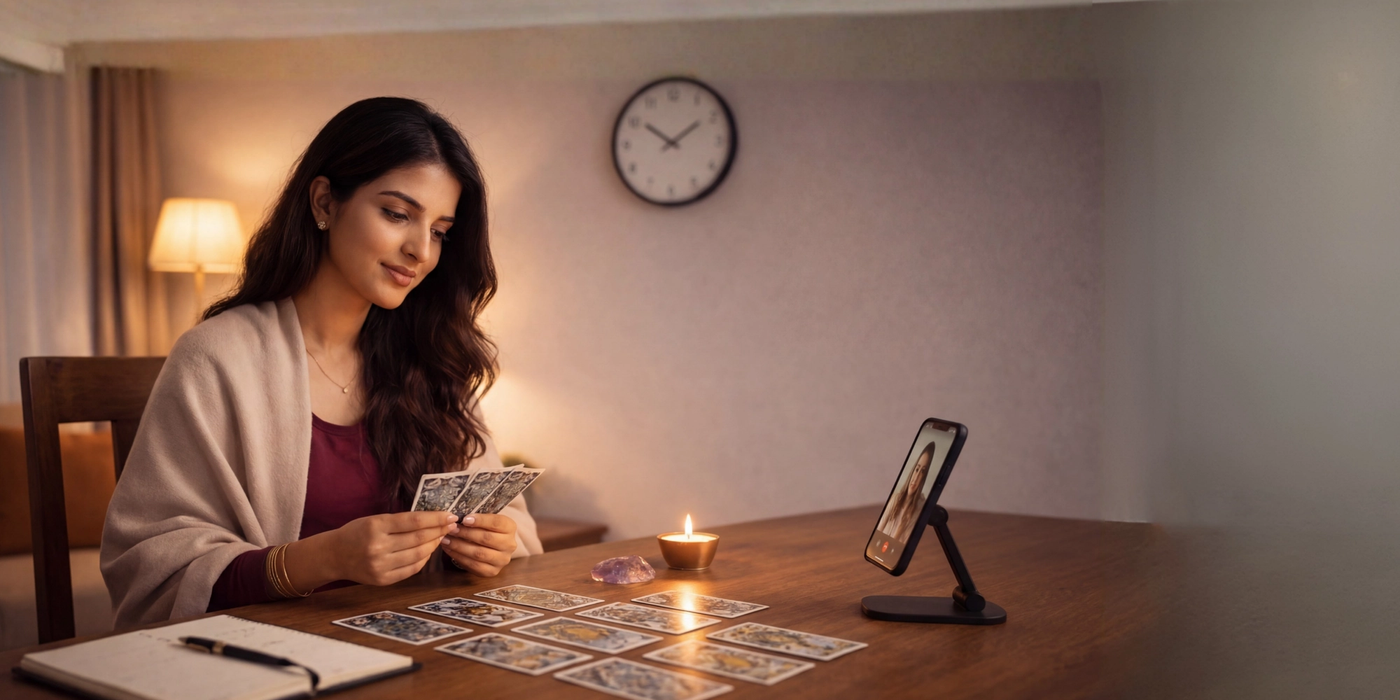
Video call tarot therapy: See your practitioner while choosing whether they see you. Some people need to see facial expressions and body language to trust the therapeutic process. Others want to see their tarot therapist but keep their camera off for privacy. You control exactly how visible you are.
This choice matters more than you might think in tarot therapy. We've learned that the same person might need different connection modes at different times. Chat when the shame is too heavy. Voice when they need to hear caring in tone. Video when they're ready to be seen. The flexibility itself is healing because you're choosing your comfort level, not performing someone else's idea of vulnerability.
Inside the Tarot Therapy Session: The First Moments
Your tarot therapy session begins. The first thing your practitioner does isn't pull cards. It's create space.
"Take a breath. You're here. That took courage. What's going on?"
This is where the magic of anonymous tarot therapy really shows up. Without the social dance of face-to-face interaction, without managing how you look or come across, you can just... say it. The real thing. The scary thing. The thing you haven't told anyone.
Your tarot therapist listens. Really listens. They're trained to hear not just what you're saying but what you're not saying. The pattern beneath the problem. The fear beneath the question. The shame beneath the confusion.
They might ask clarifying questions: "When did this start feeling heavy?" "What happens in your body when you think about this?" "What would change if this resolved?" "Have you noticed this pattern before?"
Then they introduce the tools they'll use for your tarot therapy work. And this is where it gets interesting, because tarot therapy isn't one-size-fits-all.
The Cards: Different Tarot Therapy Tools for Different Needs
Most people think tarot means one deck of 78 cards. But tarot therapists have multiple tools, and choosing the right one for your specific need is part of their expertise.
The Rider-Waite Tarot Deck for Pattern Recognition: This is the classic tarot deck used in therapy. 78 cards with rich archetypal imagery. Major Arcana for life themes and spiritual lessons. Minor Arcana for everyday situations and emotional landscapes.
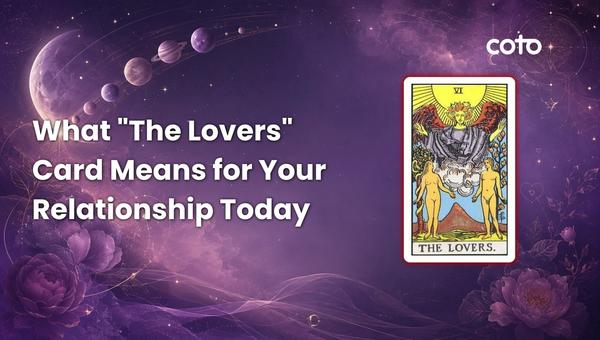
When your tarot therapist uses this deck, they're working with deep symbolism that speaks to universal human experiences. The Tower for sudden upheaval and what crumbles when foundations are weak. The Moon for subconscious fears and what you're not seeing clearly. The Lovers for choice, values, and integration of opposites. The Devil for attachment, addiction, and bondage to limiting beliefs.
Each card in tarot therapy is a mirror for psychological patterns and emotional truth. Your therapist isn't telling you what will happen. They're showing you what's already happening in your subconscious.
Oracle Cards for Specific Guidance: These are more direct tools used alongside traditional tarot therapy. Love oracle cards for relationship work. Inner wisdom oracle cards for self-discovery. Shadow work oracle cards for exploring rejected parts of self.
Unlike tarot's structured system, oracle cards in therapy offer specific messages and validation. When a tarot therapist pulls from an oracle deck, they're looking for clarification or a direct message about what you need to hear right now. The messages tend to be more straightforward, less archetypal, more immediately applicable to your healing.
Tarot Therapy Toolkit Cards for Psychological Exploration: These are specialized cards designed specifically for therapeutic work. They're not about prediction. They're about psychological exploration, emotional processing, and pattern interruption.
These cards might prompt you to explore: "What am I afraid to admit?" "What pattern am I repeating?" "What do I need to release?" "What part of myself am I rejecting?" "What would I do if I weren't afraid?" They're designed to access subconscious material and facilitate breakthrough conversations in tarot therapy sessions.
Combination Work in Tarot Therapy: Skilled tarot therapists often use multiple decks in one session. They might start with the Rider-Waite deck to understand the overall energy and patterns, then pull oracle cards for specific guidance, then use therapy toolkit cards to work through the emotional blocks that came up.
This isn't random. Your tarot therapist is reading your energy, listening to your responses, tracking where resistance shows up, and choosing tools that will serve your specific breakthrough.
What Actually Happens During Tarot Therapy Card Work
Let's walk through a real example of how tarot therapy unfolds. You've come to coto because you keep sabotaging relationships. You get close to someone, then you find reasons to push them away.
Your tarot therapist pulls cards from the Rider-Waite deck in a spread designed to explore relationship patterns. The cards that appear are The Devil, The Four of Cups, and The Star.
They don't just tell you what the cards mean in traditional tarot reading. This is therapy. They ask: "What does The Devil bring up for you? Where do you feel bound or trapped in relationships?"
You talk about family messages that love isn't safe. About watching your parents' painful marriage. About learning that attachment means loss of self.
Your tarot therapist acknowledges this and pulls an oracle card for clarity: "What do you need to know about love right now?" The card that comes is "Safe to Open Your Heart."
Then they reach for the tarot therapy toolkit cards: "Let's explore the protective pattern. Pull a card asking: What am I actually protecting by pushing people away?"
The card you pull prompts a question: "What would happen if someone actually stayed?"
And something breaks open. You realize you're not afraid of them leaving. You're afraid of them staying and discovering you're not enough. The cards in tarot therapy didn't predict this. They created a safe structure for you to access a truth you already knew but couldn't face alone.
Your tarot therapist works with this revelation. They might pull more cards to explore where this belief came from, what it's costing you, what needs to heal for it to shift. Each card becomes a doorway into deeper self-understanding.
This is what distinguishes tarot therapy from traditional tarot reading. The cards serve the therapeutic process, not the other way around. Your breakthrough is the goal, not the accuracy of the reading.
The Transformation Timeline: What We've Discovered in Tarot Therapy
Here's something fascinating we've learned from over two million minutes of sessions, including thousands of tarot therapy sessions: people report physical shifts faster than emotional ones, and that reveals something profound about how tarot therapy actually works.
Physical shifts come first (24-48 hours): Within a day or two after a tarot therapy session, clients report sleeping better, tension releasing from their shoulders, headaches clearing, energy returning. Their body responds to the session before their conscious mind fully processes what happened.
One client described it: "After my tarot therapy session where we worked through family patterns, I slept through the night for the first time in months. My body let go of something before I even understood what we'd uncovered."
Emotional clarity follows (3-7 days): About a week after a tarot therapy session, clients report emotional breakthroughs. They suddenly understand a pattern they've been stuck in. They feel ready to have a conversation they've been avoiding. They make a decision that's been hanging over them.
The cards revealed something during tarot therapy, their body released the tension holding it in place, and their emotions caught up. They'll often message their practitioner: "I finally get what that card was showing me."
Behavioral changes emerge later (2-3 weeks): Two to three weeks after a tarot therapy session, clients notice they're acting differently. They set a boundary they couldn't set before. They choose a different response in a familiar situation. They stop doing the thing they said they wanted to stop. The insight from tarot therapy became embodied change.
This timeline taught us something crucial about how tarot therapy actually operates: transformation moves from energetic to physical to emotional to behavioral. Not the other way around.
When a tarot therapist works with cards to access your subconscious truth, they're working with your energetic system first. That shift registers in your body before your mind understands it. Your emotional system processes it next. And finally, your behavior reflects the change.
This is why we encourage clients not to judge a tarot therapy session by how they feel walking out of it. The real transformation is just beginning. It needs time to move through your system.
Between Cards: The Therapeutic Conversations That Matter
The cards are tools in tarot therapy, but transformation happens in the conversations between them. When your practitioner asks: "What came up for you when you saw that card?" When they notice: "Your energy shifted when we talked about your mother." When they offer: "What if that pattern is actually protecting something important?"
These are the moments where healing happens in tarot therapy. Where shame gets named and loses its power. Where you hear yourself say something you've never admitted. Where you realize you've been asking the wrong question this whole time.
Good tarot therapists know when to pull more cards and when to stay in the conversation. They know when you need another tool and when you just need them to hold space for what's emerging. They understand that tarot therapy is guided by the cards but created in the relationship between therapist and client.
The Anonymous Advantage in Tarot Therapy
This entire tarot therapy process works differently in anonymity. Without social performance, you can be honest faster about what the cards are revealing. Without fear of judgment from someone in your community, you can explore the scary patterns. Without worrying about running into this person at a family event, you can admit the things you're ashamed of when cards mirror them back.
One tarot therapist on coto described it: "In traditional face-to-face work, it might take three sessions to get to the real issue. In anonymous tarot therapy sessions on coto, we often get there in the first session because the safety is already built in. The cards can go straight to what matters."
The anonymity also means you can return to tarot therapy without shame. If you have a setback, if the pattern resurfaces, if you need to work through the same cards again from a different angle, there's no embarrassment. Just: here's where I am now, let's keep going.
After Your Tarot Therapy Session: Integration Support
Your tarot therapy session ends, but joy doesn't leave. joy checks in: "How are you feeling after your session with Priya?"
joy offers integration support: "Want to explore what came up in that tarot therapy reading?"
joy might suggest complementary work: "Your tarot therapy session revealed some deep family patterns. Have you considered talking to a relationship coach about navigating those dynamics in real time? Or would energy healing help clear what the cards showed was blocked?"
And joy tracks your tarot therapy journey: "You've been working on this pattern for three weeks through tarot therapy. Where do you notice shifts happening?"
This between-session support is crucial because tarot therapy transformation doesn't happen in 60-minute increments. It happens in the days and weeks after when insights integrate and changes emerge.
What Makes coto's Tarot Therapy Sessions Different
We've designed every piece of this tarot therapy experience intentionally:
Complete anonymity creates the safety for real honesty without social consequence when cards reveal uncomfortable truths.
Choice in connection mode respects that vulnerability in tarot therapy looks different for everyone.
24/7 availability means you can do tarot therapy work when you're actually ready, not when a schedule permits.
Multiple card systems give tarot therapists tools to meet your specific need in real time.
Psychology-trained tarot therapists understand that cards are therapeutic tools for accessing subconscious material, not fortune-telling devices.
Cultural competency means tarot therapists get your context without you having to explain everything when patterns emerge.
Integration support through joy keeps your tarot therapy momentum going between sessions.
From the moment you open the app to weeks after your tarot therapy session when behavioral change emerges, we've built this to support real transformation. Not performance. Not entertainment. Not quick fixes.
Real change through tarot therapy. The kind that shows up in your body first, processes through your emotions, and eventually shifts how you move through the world.
That's what actually happens inside coto's tarot therapy sessions. That's the journey from connection to breakthrough. And that's why thousands of tarot therapy sessions have created real, lasting transformation for people ready to do the work.
Written by
Claudia Rossi
The coto Editorial Team explores the intersection of ancient wisdom and modern life — from Vedic astrology and Jyotish to energy healing, tarot, and spiritual transformation. Our writers work closely with coto's verified experts to bring depth, accuracy, and lived insight to every piece. We believe ancient systems aren't relics — they're frameworks for navigating the complexity of the world we live in today.