Keeping intimacy alive in long-term relationships rarely depends on dramatic grand gestures or extravagant anniversaries. True connection is built in quiet, everyday moments—through micro-gestures that foster emotional safety, active listening, and genuine curiosity.
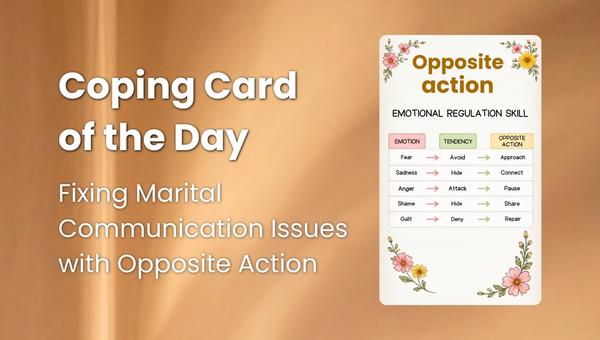
When emotional intimacy slows down, adopting structured DBT skills cards (Dialectical Behavior Therapy) and daily coping frameworks offers a practical roadmap to reconnect.
The Power of Micro-Actions in Intimacy
Small, intentional actions signal security to your partner’s nervous system. Instead of waiting for a special occasion, consider two daily shifts:
- Ask a New Question: Ditch the routine "How was your day?" and ask something unexpected, like "What's something on your mind lately that you haven't shared?"
- Spontaneous Touch: A simple, unprompted hug or a gentle hand on the shoulder breaks routine and releases oxytocin, instantly softening tension.
Using DBT Coping Cards to Navigate Relationship Friction
Relationships naturally experience shifts in energy. When communication feels stagnant or tense, using structured emotional regulation tools can help you identify what your partnership needs in real time.
Here are three primary relationship focus areas inspired by interpersonal effectiveness:
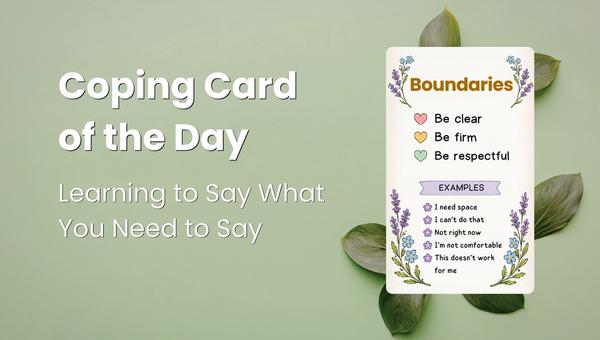
- Setting Boundaries & Clear Expectations: Stop relying on unspoken assumptions. Getting specific about your boundaries prevents resentment and builds mutual respect.
- Practicing Gentle Communication: Softening your tone, validating your partner’s feelings, and keeping an easygoing manner allows difficult conversations to remain constructive.
- Radiating Compassion & Self-Love: Intimacy starts with self-awareness. Practicing unconditional kindness toward yourself helps you show up as a grounded, loving partner.